

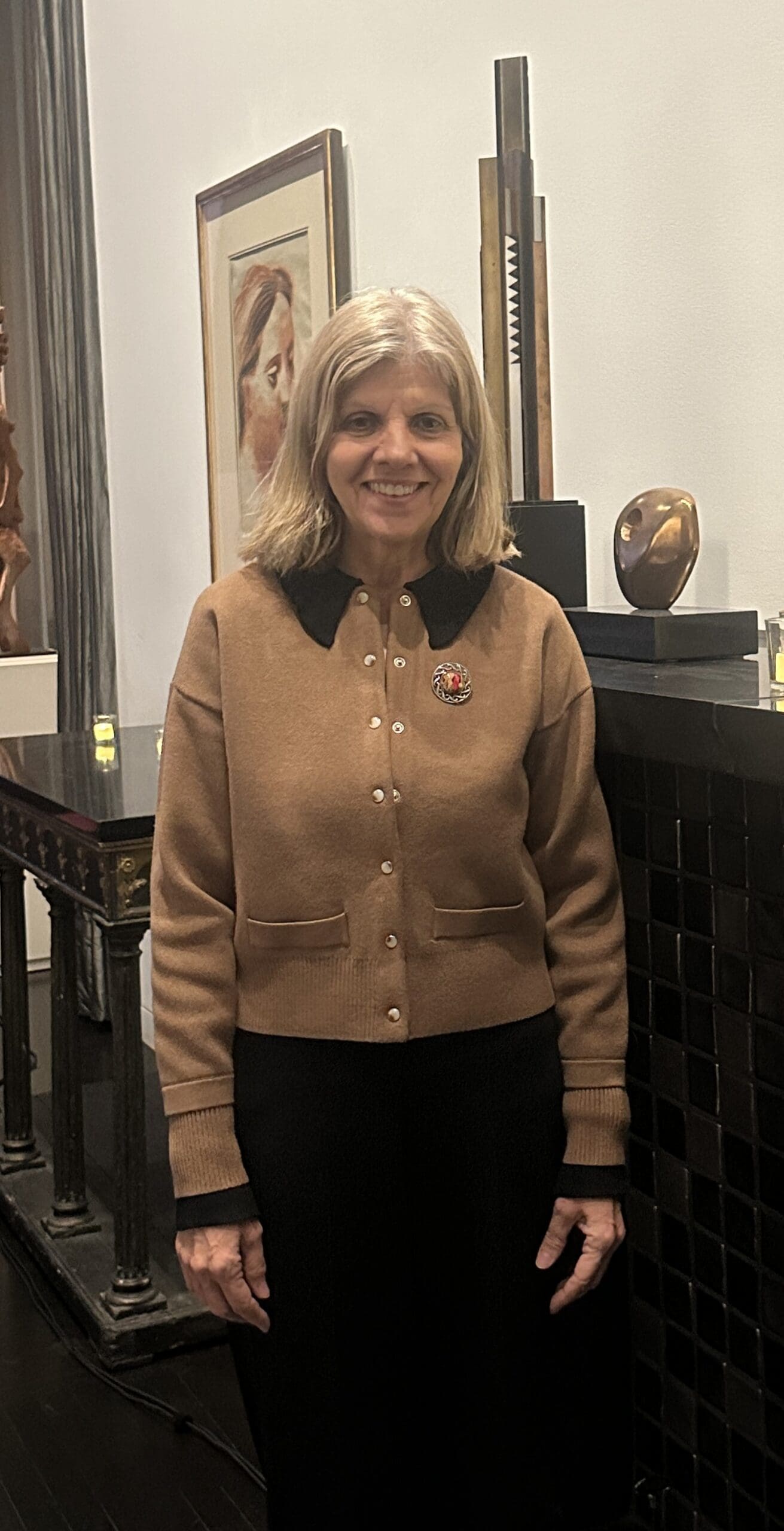
For more than four decades, occupational therapist and educator Jessica Pedersen, OTD, MBA, ATP/SMS, has helped shape the landscape of seating and mobility — clinically, academically and through national leadership. From her early days at the Rehabilitation Institute of Chicago to her current role leading clinical education at Sunrise Medical, Pedersen’s journey reflects a career dedicated to improving mobility and function for people of all ages.
What initially drew you to this career, and how did you get your start?
I was naturally drawn to science, math and hands-on activities, especially crafts. Occupational therapy offered a perfect blend. After graduating in 1979 with a bachelor’s in occupational therapy from the University of Illinois, I began my career at the Rehabilitation Institute of Chicago, an incredible environment with 78 occupational therapists, 96 physical therapists and countless opportunities to learn from colleagues and patients.
I started on the spinal cord injury team and then moved to pediatrics. A pivotal moment came when I worked with a child post-drowning. After facilitating her relaxation for an hour, she curled up in her stroller, igniting my interest in seating. A colleague introduced me to Adrienne Bergen, who taught me how to build seating inserts for children. I contacted Bergen long before the internet existed, and she became my first seating mentor. She faxed me instructions and photos for creating tri-wall seating inserts, and I soon began fabricating plywood and foam systems, despite my initial lack of skill. I later collaborated with Ken Kozole, a clinical rehabilitation engineer and occupational therapist at RIC/Northwestern, who designed innovative seating systems for both adults and children. At that time, options were limited to chrome E&J wheelchairs, a few cushions like ROHO and pediatric positioning chairs that doubled as car seats.
What initiatives have you been involved in that have helped shape the industry?
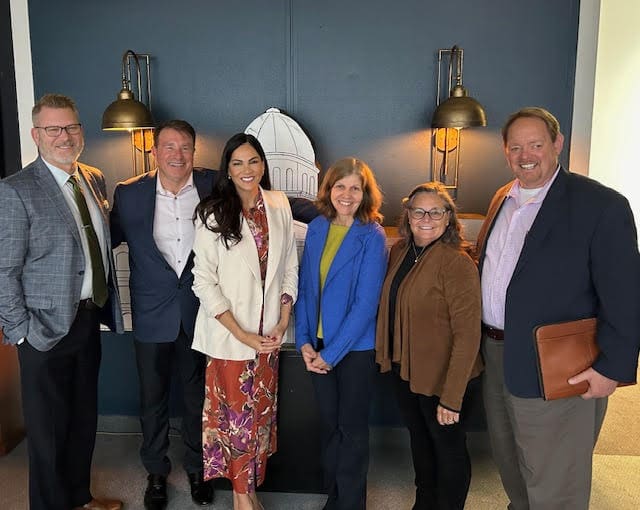
Joining RESNA, co-developing Chicago’s first seating center and meeting leaders like Elaine Trefler, Doug Hobson and Joan Bergman helped me gain confidence in presenting and sharing my work. Over the years, I chaired committees, served on the board and earned fellowship status in the 1990s. I’ve presented at RESNA or ISS every year since 1985 and was the co-author on the second edition of “Positioning for Function” in 1991.
In the late 1980s and early 1990s, we sought to distinguish “dealers” from suppliers who collaborated with therapists on evaluations and complex equipment. We established the title Rehabilitation Technology Supplier and founded NRRTS, with Adrienne Bergen as president, Simon Margolis as vice president and me as the first secretary. I also helped develop the original Assistive Technology Professional and Assistive Technology Specialist credentials, which were later combined into the ATP certification.
My career has encompassed rehab centers, pediatric clinics, schools, home health, nursing homes and facilities for those with cognitive and developmental disabilities — always focusing on mobility and seating. I’ve collaborated with manufacturers, taught clinicians how to shape custom seating and co-founded CREATE, an education company focused on assistive technology.

Was there a turning point that helped you realize this was truly your calling?
Seating and mobility provide immediate feedback — something either works or it doesn’t. Deliveries taught me just as much as evaluations, allowing me to see firsthand when my original ideas needed adjustment. Problem-solving with suppliers kept me motivated.
As technology advanced, I knew there would always be something new to learn. I’ve traveled the world and found my “tribe”— people passionate about helping others through mobility. Sharing experiences and learning from others continues to energize me.
Tell us about your current work.
Three years ago, I joined Sunrise Medical as the director of clinical education. I saw an opportunity to create education that could be easily shared across all wheelchair and seating practices. Since then, I’ve built a team of five clinicians serving North America and collaborating closely with colleagues in Europe and Australia.
What is your favorite part of your work?
I love traveling throughout North America and occasionally Europe to meet professionals interested in wheelchairs and seating. It’s rewarding to work with riders and families, help match them with the right equipment and later hear their stories about the impact on their lives.
I also enjoy participating in the development of new products. It’s exciting to witness an idea grow from concept to launch. The creativity and ingenuity in this field never fail to amaze me.
What keeps you engaged after more than 45 years in this industry?
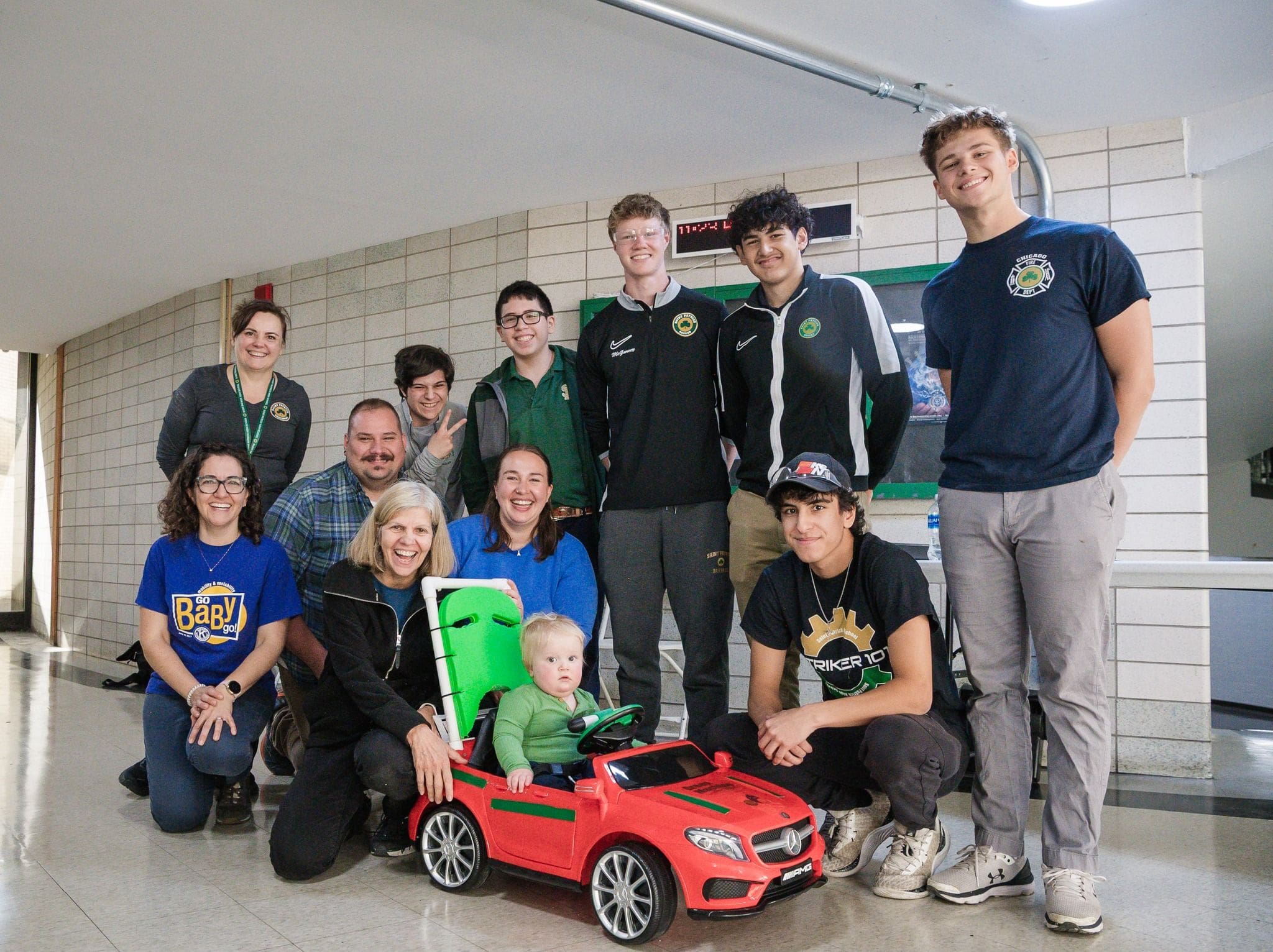
The constant changes and evolution of the field. There are many product options now, and I’m inspired by younger professionals entering the industry. Passing the baton is important to me. Though funding and policy continue to be challenges, they unite us in ensuring people have access to life-changing equipment.
What do you enjoy outside of work?
Crafts have always been a passion — one reason I entered occupational therapy in the first place. I recently moved to the center of Chicago, near Millennium Park and The Bean. I enjoy exploring the city, walking along the lake, admiring architecture, visiting museums and sampling food and cultural offerings. I also love walking and hiking while traveling. Recently, I joined a neighborhood choir and am preparing for our first concert.
Are there volunteer or charitable organizations that are meaningful to you?
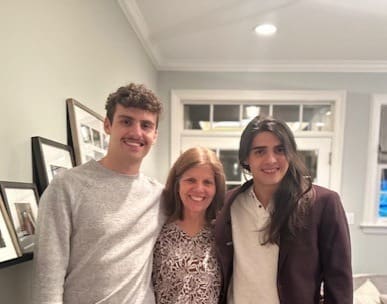
I’m passionate about on-time mobility for children. Before GoBabyGo (https://gobabygo.eu/pages/about) existed, I fabricated adapted cars, and once the program emerged, I became heavily involved in group build events.
Currently, I partner with the Illinois Spina Bifida Association and New Trier High School, where over 120 students build adapted cars and joystick-operated devices for children with disabilities. More than 40 devices are made each year, with families traveling from across Illinois and northwest Indiana for the two-day delivery event. I also work with the team to expand this program into other schools and colleges.
I support Tim Caruso, PT, and the Kids Equipment Network (TKEN), which recycles, refurbishes and redistributes equipment for children. Therapists and suppliers volunteer monthly to ensure proper fit and condition. When I retire, I plan to dedicate more time to this exceptional organization.
What advice would you offer to someone just beginning in your field?
I want young professionals to know this career is wonderfully rewarding and a lifelong learning experience. Attend conferences and get involved in policy and advocacy. Stay active throughout the process — from evaluation to delivery — because that’s how you truly learn seating and confirm whether your recommendations work.
Always get consent to take photos and share experiences. Everyone is so beautifully different, and there are many perspectives to benefit from. Learning together is one of the most enjoyable aspects of this profession.
Pedersen finds meaning in both the challenges and joys of this industry. Her dedication is rooted in the people whose lives intersect with hers — clinicians finding their footing, families navigating new possibilities and individuals discovering comfort and independence through mobility. After decades in the profession, Pedersen carries the same curiosity that first drew her to it and a generosity that invites others to learn beside her. It is clear that her influence lives in the connections she builds and the encouragement she offers to those who will carry the work forward.
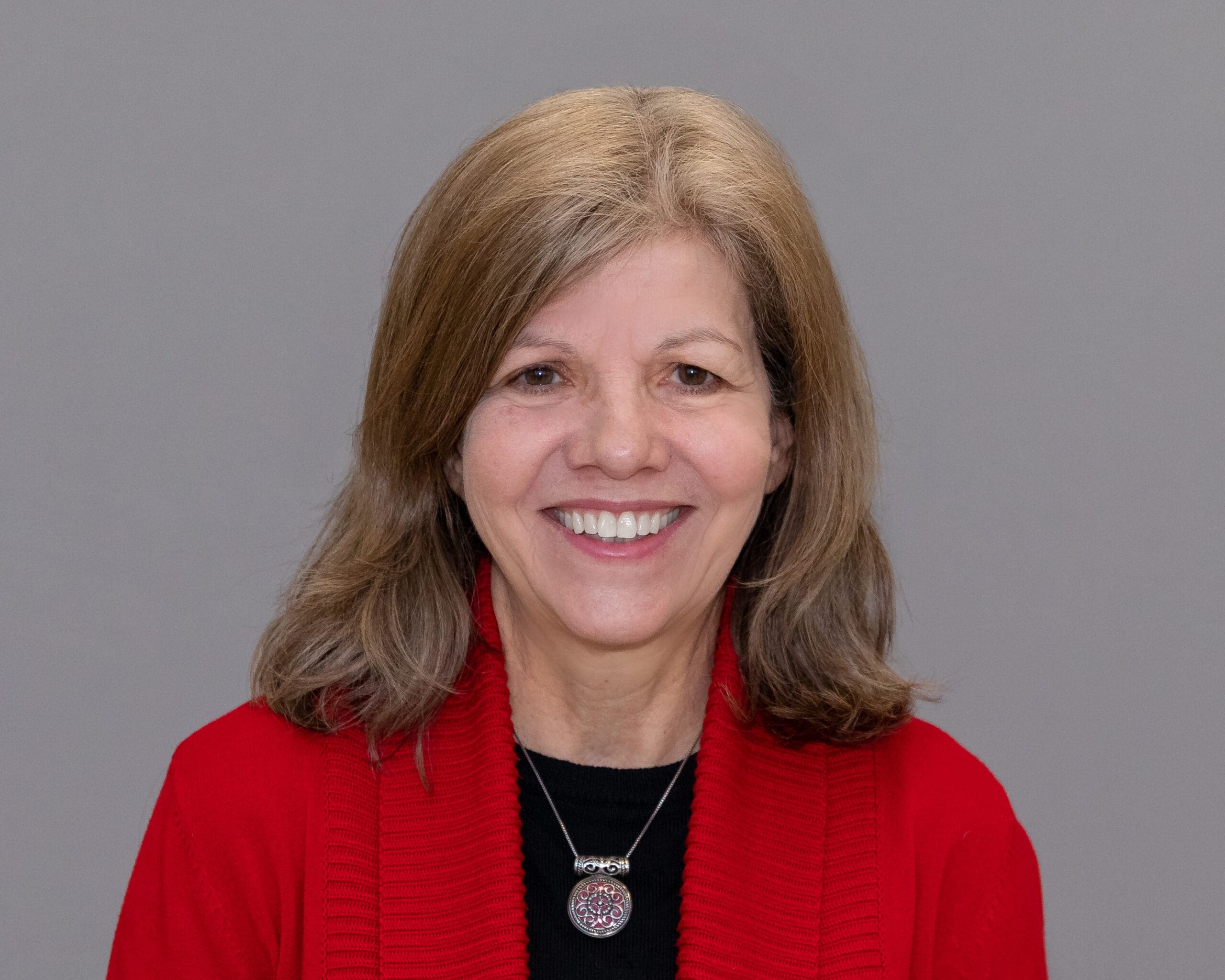
Jessica may be reached at jessica.pedersen@sunmed.com.
Jessica Pedersen, OTD, MBA, ATP/SMS, is director of clinical education North America for Sunrise Medical. She is a RESNA and AOTA Fellow, serves on the Clinician Task Force and AOTA’s Seating and Wheeled Mobility Committee and has shared her experiences internationally through publications and presentations.