

To be awarded .1 CEU and a certificate upon completion of this article, click here to visit the online course, enroll, download the PDF, and take the quiz.
I am not comfortable …
I am in pain … I feel everything …
I tried so many things, and nothing works … Leave me alone …
There is no cushion/back out there that helps … I am still in pain
I have to cancel … Can’t do it today … Can’t even move …
Wheelchair mobility vendors often remember the names of their most “challenging” clients years after assisting them. For these consumers, pain is such a critical factor that, when systematically assessed, measured and tracked, even a single perceptible increase can trigger a cascade of negative physiological responses — potentially leading to weeks of lost function and mobility.
“Sensitive” is a common term vendors and clinicians use to describe clients experiencing pain. “Emotional roller coaster” is another phrase used to convey the client’s psychological state. These individuals may appear elated when their pain subsides yet can quickly shift into frustration or depression when comfort fades or when their wheelchair setup fails to meet expectations.
Such clients often require multiple equipment trials when selecting their wheelchair systems and other assistive devices. They may even consult several clinicians and vendors in pursuit of comfort. For them, comfort is not an added bonus of mobility — it is defined as a pain level low enough to allow a certain degree of independence. Their functional capacity may depend on sitting tolerance, which is sometimes measured in minutes rather than hours.
In this article, we will discuss what pain is, explore the latest developments in pain research and share practical tips you may find helpful when working with clients who experience pain.
What is pain?
Pain is an unpleasant sensory and emotional experience associated with, or resembling, the state of actual or potential tissue damage. Typically, acute pain acts as a defense mechanism whose purpose is to identify an area requiring attention, prompting the person to take action to restore homeostasis or protect the affected body part from further injury.
Chronic pain, in contrast, is a long-term and distressing experience associated with chronic conditions or injuries involving the peripheral nerves or central nervous system. It can trigger a myriad of physiological, psychological and social consequences (Cao et al., 2024).
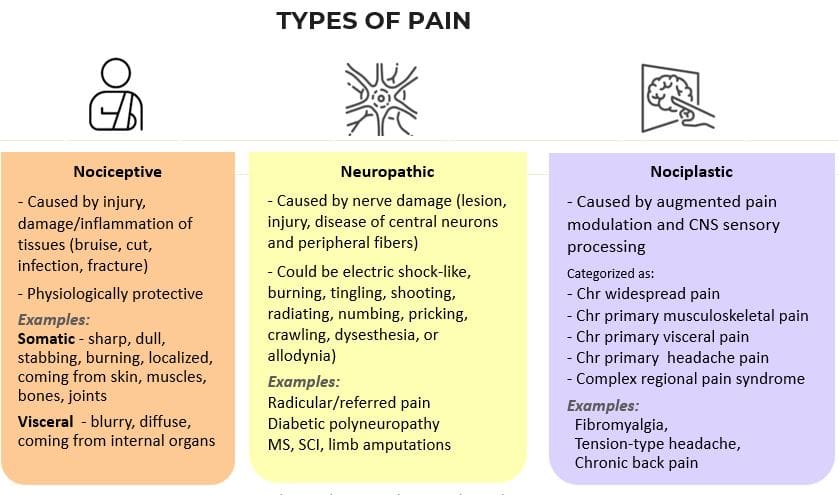
According to the latest research literature, pain can be categorized as nociceptive, neuropathic or nociplastic. Before exploring these categories in detail, let’s first understand what these terms mean.
Nociceptive is derived from the Latin word nocere, meaning “to hurt” or “to harm.” The Latin root recept comes from receptus, meaning “received.” Thus, nociceptive refers to the ability to sense potentially harmful stimuli.
Neuropathic originates from the Greek words neuron (“nerve”) and pathos (“suffering” or “disease”). Therefore, neuropathic pain literally refers to pain arising from nerve disease or injury.
The term nociplastic combines the Latin nocere (“to harm”) and the Greek plastikos (“to mold” or “form”). It describes pain that results from altered pain processing rather than from tissue damage or nerve injury. Plasticity here refers to modulation, adaptation and change in how the nervous system processes sensory input.
Nociceptive pain results from injury, inflammation or damage to body tissues, such as bruises, cuts, infections, fractures, ligament tears or internal organ injury. It can be further classified as somatic or visceral.
- Somatic nociceptive pain is typically localized and may be described as strong, sharp, dull, stabbing or burning. It originates from the skin, soft tissues, muscles, bones or joints.
- Visceral nociceptive pain is often diffuse, poorly localized, or referred and arises from internal organs (viscera).
Neuropathic pain signals nerve damage resulting from injury, lesion or disease affecting the peripheral or central nervous system. Individuals may describe it as burning, tingling, shooting, radiating, numbing, pricking, crawling or otherwise unusual sensations. Some experience abnormal perceptions such as a feeling of wetness without moisture or a pulling sensation when nothing physically moves the skin. Phantom pain is a well-known example in which an individual feels pain in an absent limb, such as a toe, after a leg amputation. Neuropathic pain commonly occurs in individuals with neuropathies, herniated discs, spinal cord injuries, neurodegenerative disorders, extensive trauma with nerve severance, major surgeries or limb amputations.
Nociplastic pain arises from dysregulated pain modulation within the central nervous system. In this case, the brain interprets complex sensory and psychological inputs as pain, even in the absence of tissue or nerve injury. Psychological state, level of alertness, cognitive interpretation, memories and environmental triggers all influence this process. Although some might dismiss nociplastic pain as “imagined,” it is very real and often debilitating for clients with conditions such as fibromyalgia, post-traumatic stress disorder, migraines, chronic back pain and complex regional pain syndrome (Cao et al., 2024; Rajkumar et al., 2022).
Wheelchair users in pain
Whether they are new riders or decades-long wheelchair users, almost all of our clients experience pain. More often than not, when a clinician conducts a comprehensive assessment, all three types of pain are reported by the client. Pain is the most common complication in spinal cord injury, with burning, tingling or pins-and-needles–type neuropathic pain below the level of injury reported by 79% to 91% of patients. This pain is often described as intense and disruptive to daily life, sleep and mood (Mashola et al., 2025; Todd et al., 2024).
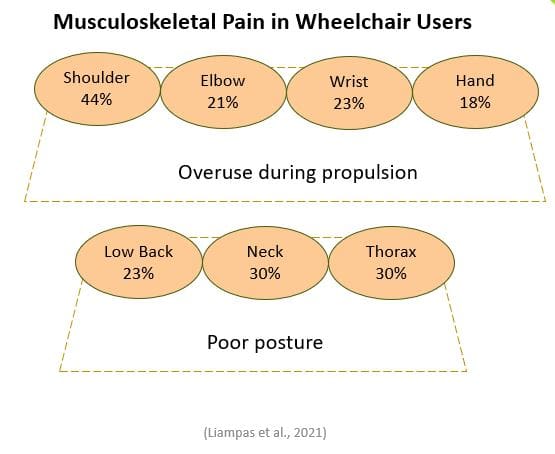
Musculoskeletal pain is also reported by the majority of wheelchair users, most commonly in the shoulders, elbows, wrists and hands due to overuse during wheelchair propulsion. Low- and mid-back and neck pain are almost always linked to poor posture (Liampas et al., 2021). In addition, spasms and spasticity contribute to moderate to severe pain in wheelchair users with diabetic and non-diabetic neuropathies, strokes, neurodegenerative disorders affecting upper and lower motor neurons, and traumatic brain injuries (Pergolizzi et al., 2025).
It is well established that individuals with disabilities — particularly wheelchair users — experience elevated levels of depression associated with chronic pain, restricted mobility, environmental barriers, societal stigma and perceived invisibility. Moreover, the persistent questioning of their functional capacity, often encountered on a daily basis, further exacerbates psychological distress (Saia et al., 2024). The sustained activation of the nervous system resulting from these stressors contributes to a heightened state of arousal, thereby perpetuating nociplastic pain mechanisms.
Evolution, nerve regeneration and tricky behavior of nerve cells
While almost all wheelchair users live with pain, some cope relatively well, whereas others struggle to an extreme degree. How is it that clients with similar diagnoses report such different levels of pain intensity? The answer lies in the latest research.
Active nerve regeneration has been associated with pain. Whether nerve damage results from a chronic condition or an acute injury, each affected nerve cell attempts to connect with nearby cells. During this process, the cell sends molecular “messages” that are detected by nociceptors, the nerve fibers responsible for transmitting pain signals. In generally healthy individuals, both dendrites and axons can regenerate following injury, although regeneration is more successful in peripheral nerves due to a more favorable environment.
In an attempt to reconnect with other neurons, injured nerves may form neuromas — thickened or nodular masses comprised of Schwann cells and disorganized connective tissue. Two types of neuromas have been described: spindle and terminal. Spindle neuromas appear as a web of collateral branches along the main nerve on MRI images. Pain occurs when the nerve is compressed or stretched, often due to surrounding scar tissue resulting from chronic friction, irritation or repetitive microtrauma. Terminal neuromas are characterized by bulbous swelling at the site of total nerve transection caused by injury, amputation, or surgical resection (Baldassarre et al., 2016).
Human evolution has favored the ability to sense pain, which serves a protective function. Pain encourages activity restriction, allowing the body to repair itself. However, heightened sensitivity to pain is now prevalent. Research indicates that humans have developed an increased propensity for chronic pain, linked to hypervigilance and anxiety, which are associated with persistent nociceptor hyperactivity. In practical terms, we now experience higher levels of pain in response to relatively mild triggers, largely because our nervous systems are continuously on alert (Walters et al., 2023).
Pain and inflammation are closely linked in peripheral nerve damage. Inflammatory mechanisms, intended to be protective and restorative, are activated around affected nerves. When a nerve is injured, local inflammation signals the brain that repair is needed. Historically, macrophages were thought to arrive from circulating blood; however, recent research demonstrates the continuous presence of macrophages in peripheral sensory ganglia. This indicates that pro-inflammatory cytokines such as TNF and IL-1β are activated locally. Whereas other tissues may take minutes or hours to relay pain signals, nerve cells can call for help immediately. In chronic degenerative conditions, nerve repair is often incomplete, leading to persistent inflammation and amplified pain signaling (Guimaraes et al., 2023).
Neurodegenerative autoimmune disorders are characterized by ongoing inflammation. Individuals with multiple sclerosis often experience diverse and widespread pain, including chronic headache, Lhermitte’s sign (sudden, taser-like neck pain), trigeminal neuralgia, extremity pain, and temperature hypersensitivity (Uhthoff’s phenomenon). This is due to sensitization in both the peripheral and central nervous systems. In healthy individuals, TNFα receptors R1 (pro-inflammatory, promoting cell death) and R2 (pro-homeostatic, reparative) are activated in a regulated sequence. In multiple sclerosis, R1 receptor activity predominates, leading to continuous inflammation and neuronal damage (Maguire et al., 2021). Similar mechanisms occur in Parkinson’s and Alzheimer’s diseases, where neuroinflammation and progressive neuronal loss are associated with aberrant protein aggregation that disrupts normal homeostasis and regeneration (Ahmed & Gaber, 2025).
Central neuropathic pain in stroke survivors is caused by nociceptor hyperexcitability and impaired antinociceptive mechanisms. Maladaptive plasticity within spinal and brain circuits leads to nociplastic pain, which may respond to interventions targeting the mind’s capacity to modulate pain perception (Rosner et al., 2023). It is also important to recognize that stroke survivors with reduced mobility often experience musculoskeletal nociceptive pain due to suboptimal positioning, spasticity, skin issues and musculoskeletal strains, as well as neuropathic pain resulting from immobilization, impaired blood flow and peripheral ischemia related to swelling.
In short, chronic pain in wheelchair users results from a combination of nerve injury, inflammation, heightened sensitivity and secondary effects of limited mobility. Importantly, exploring and addressing these underlying causes can alter how pain is perceived. Factors such as medical and pharmaceutical interventions, physiotherapy, disease progression, environmental conditions, timely access to care and appropriate assistive devices, and social engagement can either increase or decrease pain. This helps explain why some individuals cope better than others, even with similar diagnoses. Understanding these mechanisms can guide more effective pain management and ultimately improve quality of life.
Too complicated? Let’s simplify.
When working with wheelchair users, it is important to explore the types of pain, their locations and possible triggers.
Visceral (internal organ) pain may be triggered by changes in position, such as moving from upright sitting to full tilt. It can also be related to internal medical issues, such as a kidney stone, and may worsen with movement in the wheelchair. Identifying the cause and making prompt referrals is critical, especially if the client has not yet been medically evaluated. Activities such as pulling a urinary catheter during a transfer can also provoke intense visceral pain if the client’s sensory network is intact. Special attention is needed for clients with spinal cord injury who have lost sensation, as visceral triggers may still provoke autonomic dysreflexia even without perceived pain.
Somatic (musculoskeletal) pain may involve joints and muscles. Spasticity triggered by wheelchair recline, particularly if hip range of motion is limited, is one possible cause. Overuse injuries can occur if a manual wheelchair is too heavy or poorly configured. Somatic skin pain can result from pressure under bony prominences if cushions provide insufficient immersion or offloading. Friction-related injuries, such as lacerations or skin tears, may also occur due to coarse cover materials or altered microclimates, causing maceration.
Neuropathic pain requires careful attention to activity-related triggers. Even when the underlying pathology is known, it is important to ask which movements or positions aggravate symptoms. Selecting wheelchair and seating interventions to reduce these triggers can improve comfort and help clients understand what to avoid. For example, if weak pelvic muscles and prolonged sitting worsen pain, a positioning cushion that levels the pelvis and prevents posterior tilt may reduce discomfort and extend sitting tolerance. In autoimmune conditions causing neuropathic pain, timely referral for pharmacological treatment is essential.
Nociplastic pain involves the central nervous system and may occur in areas without direct pathology. Mirror neurons can create painful sensations in the healthy limb opposite the affected area. Psychological triggers, such as anxiety or painful memories associated with certain stimuli, should be identified in advance to plan effective workarounds. For instance, if sundown triggers painful memories, scheduling equipment trials earlier in the day may help. Similarly, avoiding clothing colors that elicit negative reactions can reduce distress. While this article does not review CNS-level interventions (such as CBT or EMDR for PTSD),[DB1] discussing professional supportive services can indicate whether referral to a therapist or support group is appropriate.
Finally, clients should be reminded to take all prescribed medications before an assistive equipment trial. Spasmolytics, anti-inflammatory drugs, painkillers and anti-anxiety medications are particularly important, as missed doses may necessitate cancelling or shortening the appointment before an optimal prescription can be determined.
Client-centered practical recommendations when pain is a main concern
In the context of assistive technology provision, clinicians and vendors can take specific steps to reduce discomfort and better understand how to support clients experiencing pain.
1. It is vital to include a comprehensive pain evaluation as part of a client assessment.
Key aspects to assess include: location (where is the pain, and does it radiate?), quality (sharp, dull, etc.), intensity (ideally on a 0–10 scale), duration and timing (how long has the client been experiencing it; is it continuous or intermittent?), triggers (what initiates it?), alleviating and aggravating factors (what makes it better or worse?), associated symptoms, and the impact on daily activities. Although the numerical scale may seem to be more precise, many clients have difficulty assigning a number to their pain intensity and respond better to the facial pain scale. Combination scales that use both numbers 0-10 and the associated facial representations have been validated as effective subjective assessment tools.
For clients using wheelchairs, it is also important to ask whether any specific pain occurs only while seated in the wheelchair. Pain or pressure that is wheelchair-specific may indicate the need to adjust the seating system or the wheelchair’s overall setup.
2. Wheelchair-related issues causing discomfort must be explored and addressed.
If the issue is pressure, interventions should focus on pressure redistribution, offloading, cushioning, and protecting the skin from hard points on the wheelchair frame. If the client experiences overuse pain in the upper extremities from propelling a manual wheelchair, the system may need adjustments, such as reducing weight, checking the center of gravity, and optimizing the position of axles, wheel and caster diameters, materials and arm-to-rim distances.
Complaints of fatigue or postural changes related to prolonged sitting may indicate the need to evaluate pelvic rotation (posterior or anterior tilt), lumbar support or anterior trunk positioning accessories. System angles should also be checked — seat-to-back angles, footplate and hanger positions must match the client’s needs. Proper alignment is also crucial to prevent setups that could trigger spasms.
Swelling in certain areas should prompt an assessment for overextended or overflexed joints to prevent or address potential blockages in arteriovenous or lymphatic flow. It is also important to check whether any postural support devices or accessories are pressing or pinching the skin excessively.
When wheelchair or seating interventions are implemented, follow-up clinical evaluation is essential. Comparing the client’s previous setup with the new configuration using pain assessment scales helps determine the intervention’s success. Follow-up visits are particularly valuable after clients have used the new or adjusted seating system for several weeks.
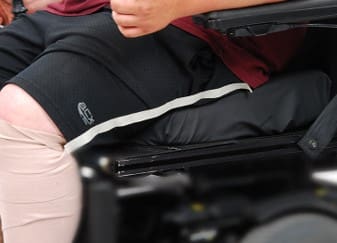

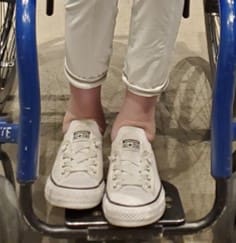
footplates, resulting in obstruction of lymph flow.
3. The overall objective of a wheelchair setup — postural support or accommodation — should be determined with pain reduction goals in mind.
For some clients, postural support may be the primary goal. This could include an active individual aiming to reduce fatigue, optimize pelvic alignment and decrease the frequency and intensity of spasms, enabling them to complete a full 9-to-5 workday. For others, achieving optimal functional posture may be less important than easing pain and increasing overall pain tolerance. In such cases, accommodation using comfortable interface materials, automated functions and a seating system carefully matched to the client’s body, including angles, rotation, depth and the type and position of hardware, can be highly effective. This approach may reduce the need for pain medication and help the client remain more alert throughout the day. Ultimately, the goals of a seating intervention should always be client-centered.
4. Interventions should be designed to match the identified clinical goals.
When multiple goals are identified, especially if they conflict, it is helpful to prioritize them according to the client’s preferences and the degree to which they affect their quality of life. In cases where the client is dependent on caregivers, the family may also be considered part of the care unit; however, the client’s safety, comfort and well-being must always remain the primary objectives. Clear communication with both the client and caregivers about the rationale for prioritization can improve adherence to interventions, support decision-making and help manage expectations. By aligning interventions with the client’s most important goals, clinicians can maximize functional outcomes while minimizing discomfort and risk.
5. Check your measurements!
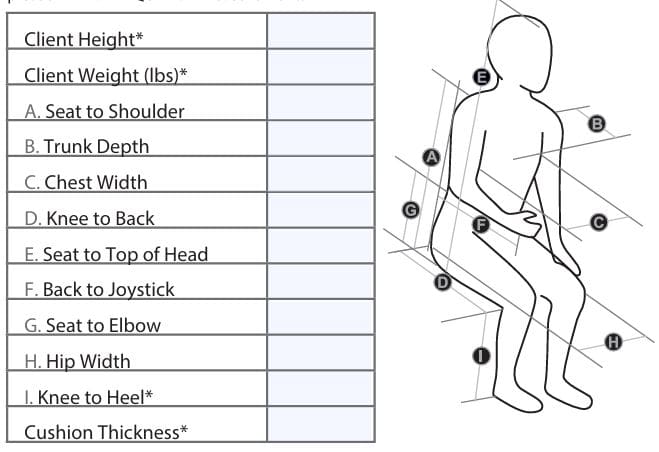
Accurate linear measurements of various body parts are essential for determining the proper widths, lengths, heights and depths of both manual and power wheelchair frames and seating. While this article is not intended to provide exhaustive guidance on all required measurements, some key examples are highlighted here.
The distance from the popliteal crease behind the knee to the back of the hips helps determine the appropriate cushion depth. The distance from the knee to the heel, taking into account the person’s ability to foot-propel, indicates the seat-to-floor height of the wheelchair frame, including the thickness of the seat cushion when loaded. The thigh-to-trunk angle informs the degree of recline needed in the seating system. Measurement of trunk height, distance to any kyphosis, and the level of back support required guides the selection of the most suitable backrest model, as well as its size and vertical position on the wheelchair canes.
Incorrect measurements can have serious consequences. They may inadvertently translate to obstruction of respiratory function, impeded arterio-venous or lymphatic circulation, excessive pressure points, pinched peripheral nerves, restricted chest movements required for breathing or compressed internal organs. Careful measurement ensures safety, comfort and optimal functioning for the client.
6. Select appropriate seating product design and interface materials.
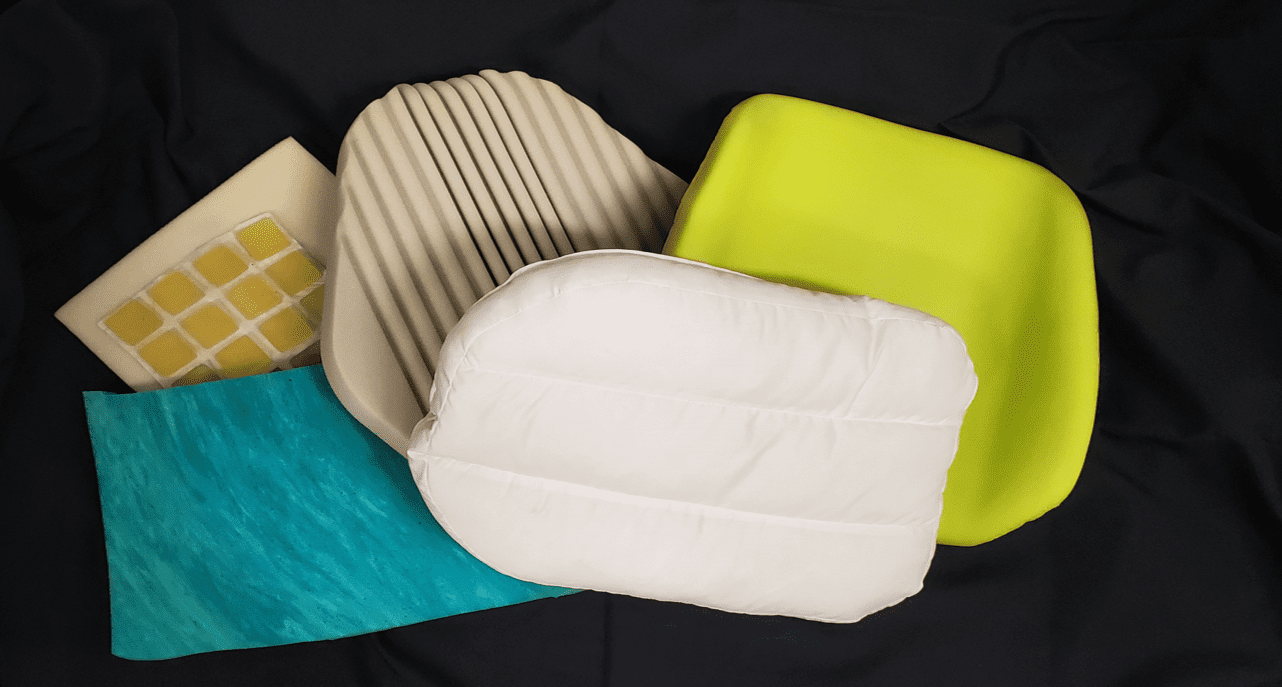
The choice of interface material — whether soft and immersive or supportive and resilient — should be guided by the client’s clinical status and goals. Consider whether inserts such as polymers, fluid, viscoelastic foam or air could be beneficial. While the clinician is responsible for recommending the most suitable product, vendors are often the most knowledgeable about the range of products currently available on the market.
For clients with a wound or a history of pressure injuries, it is particularly important to recommend products from the skin protection category. Fluid, polymer or air-based cushions can help reduce shear forces within soft tissues, as these materials themselves have high shear properties. Cushions designed primarily for positioning provide superior anterior-posterior and lateral stability and may be recommended for clients with fall-prevention and postural-support needs.
There are numerous off-the-shelf options for skin protection and positioning cushions that are customizable and can serve as highly adaptable alternatives to fully custom seating. For example, recent developments in headrest pads and hardware allow adjustments to headrest angles, alignment of hardware under asymmetric loading, lateral wing positions for uneven surface contact and even options to mount the headrest hardware further from the midline of the back support. Vendors should also remind clients and clinicians that covers for back supports, cushions and headrest pads can often be customized not only for colors and patterns, but also to enhance functionality — using more stretchable materials, surfaces that are easier to clean or wipe, or designs that allow for the addition of accessories.

7. Final Check Before Leaving the Client.
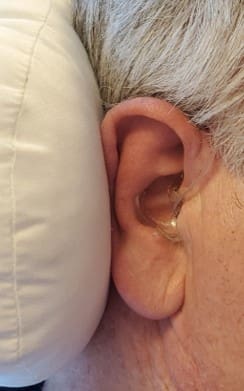
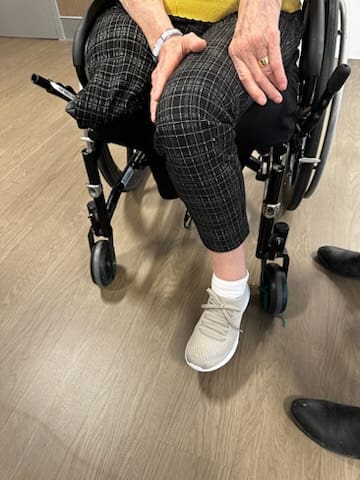
Before leaving the client, perform a thorough check for pressure points and the proper setup of wheelchair locks and anti-tippers. Are there any hard components of the wheelchair frame contacting the client? How is the back support positioned in relation to the wheelchair canes? If the canes touch the client, additional padding may be needed. Is the chair stable or do components need adjustment to ensure the client’s center of gravity is properly supported? Is the height of the frame canes appropriate? In some cases, when a backrest is mounted, the canes may need to be trimmed to prevent pinching of soft tissues. Ensuring locks function correctly and anti-tippers are properly set up is essential for fall prevention.
8. Take the client’s mind off the pain.
Every bit of pain reduction matters, whether targeting nociceptive, neuropathic or nociplastic pain. Mobilization itself is a powerful pain modulator: When clients regain mobility, more activities become accessible, and more activities provide natural distraction from pain. Self-efficacy and enjoyment can further reduce pain. Distractions such as music, jokes, fun clothing, TV (avoid the news!), favorite toys, pets or snacks can be valuable tools during appointments that require time for equipment trials and adjustments.
Pain and function are closely intertwined: Less pain can promote greater function, and engaging in functional activities can, in turn, reduce pain. Enabling mobility, easing transfers and improving access are among the most empowering and rewarding outcomes we can offer our clients. Participation in enjoyable activities may be the most effective temporary pain reliever.
Nonetheless, pain is real, and assessing the effectiveness of seating interventions through pain outcomes provides valuable insight into where further help may be needed. Beyond fulfilling your professional responsibilities, conversations with clients and their families can also highlight the need for recommendations or referrals to other specialists. Interdisciplinary collaboration is a mighty tool for solving complex problems.
It is helpful to educate clients about the brain’s remarkable capacity to amplify or diminish pain perception. When programs such as CBT, meditation, yoga or interventions for PTSD or depression have not yet been explored, they may be recommended or referrals made. For clients, the journey is not a sprint but a marathon: Every small effort matters, and even minor reductions in pain can open new possibilities and improve quality of life.
Summary
Pain is more than just a physical sensation — it is a complex experience shaped by the body, the brain and emotions. Whether stemming from tissue injury, nerve damage or changes in pain processing, understanding the different types of pain allows us to find better ways to manage it and support those who live with it every day.
While pain reduction is not the only objective of seating assessments and wheelchair seating selection, it can serve as an important indicator of intervention success. The majority of wheelchair users live with chronic pain of multiple origins, and understanding the types and causes of pain helps guide clinicians in providing more effective support during seating assessments and equipment trials.
Incorporating pain assessments into both initial and follow-up visits ensures that critical issues affecting the client are not overlooked. This article does not suggest replacing traditional seating assessments with a pain-centered approach. Rather, it emphasizes that, at times, pain reduction goals may take precedence over functional goals — or that addressing pain first can be an effective starting point. With less pain, clients may gain longer sitting tolerance, improved stamina and the capacity to pursue positional, functional or athletic goals more successfully.
Finally, conducting a thorough “pain check” at the conclusion of a client visit, especially after providing a new wheelchair or adjusted seating system, can identify potential issues before they lead to negative outcomes. Prioritizing pain reduction is not just about comfort; it directly contributes to client safety, well-being and the overall success of wheelchair interventions.
By approaching seating and mobility interventions with empathy, attention and responsiveness to pain, clinicians and vendors can empower clients to regain independence, participate more fully in daily life and feel confident that their unique needs are recognized and addressed. Every thoughtful adjustment, careful observation and small win in reducing pain can serve as a tipping point — sparking hope, bringing a smile or giving clients the confidence to pursue what matters most to them.
References
Ahmed, O.M., Gaber, A. (2025). Neurodegenerative Diseases and Functional Disabilities. In: Bennett, G., Goodall, E. (eds) The Palgrave Encyclopedia of Disability. Palgrave Macmillan, Cham. https://doi.org/10.1007/978-3-031-40858-8_417-1
Baldassarre, R. L., Nakanote, K. A., & Hughes, T. H. (2016). Chapter 61 – Imaging of peripheral neurogenic tumors. Pages 777-796. Handbook of Neuro-Oncology Neuroimaging (Second Edition). https://doi.org/10.1016/B978-0-12-800945-1.00061-6
Cao, B., Xu, Q., Shi, Y., Zhao, R., Li, H., Zheng, J., Liu, F., Wan, Y., & Wei, B. (2024). Pathology of pain and its implications for therapeutic interventions. Signal transduction and targeted therapy, 9(1), 155. https://doi.org/10.1038/s41392-024-01845-w
Guimarães, R. M., Aníbal-Silva, C. E., Davoli-Ferreira, M., Gomes, F. I. F., Mendes, A., Cavallini, M. C. M., Fonseca, M. M., … & Cunha, T. M. (2023). Neuron-associated macrophage proliferation in the sensory ganglia is associated with peripheral nerve injury-induced neuropathic pain involving CX3CR1 signaling. eLife, 12, e78515. https://doi.org/10.7554/eLife.78515
Liampas, A., Neophytou, P., Sokratous, M., Varrassi, G., Ioannou, C., Hadjigeorgiou, G. M., & Zis, P. (2021). Musculoskeletal pain due to wheelchair use: A systematic review and meta-analysis. Pain Therapy, 10, 973–984. doi: 10.1007/s40122-021-00294-5
Maguire, A. D., Bethea, J. R., Kerr, B. J. (2021). TNFα in MS and Its animal models: Implications for chronic pain in the disease. Frontiers in Neurology, 12. https://doi.org/10.3389/fneur.2021.780876
Mashola, M. K., Korkie, E., & Mothabeng, D. J. (2022). The presence of pain in community-dwelling South African manual wheelchair users with spinal cord injury. The South African journal of physiotherapy, 78(1), 1600. https://doi.org/10.4102/sajp.v78i1.1600
Pergolizzi, Jr. J., Choudhary, S., Magnusson, P., Breve, F., LeQuang, J. A. K., Taylor, R., Pack, T., … & Varrassi, G. (2021). Skeletal muscle spasms. Cureus, 13(8): a598
Rajkumar, R., Preedy, V. R., Martin, C.R. (2022). Rehabilitation and wheelchair users after spinal cord injury: An overview, in Chapter 6. Cellular, Molecular, Physiological, and Behavioral Aspects of Spinal Cord Injury, (Riberto, M., Wu, L.J.L., & De Souza, D. R.): Academic Press, 65-77, ISBN 9780128224274. doi: 10.1016/B978-0-12-822427-4.00006-X
Rosner, J., de Andrade, D.C., Davis, K.D., Gustin, S. M., Kramer, J. L. K., Seal, R. P., & Finnerup, N. B.(2023). Central neuropathic pain. Nature Reviews Disease Primer, 9(73). https://doi.org/10.1038/s41572-023-00484-9
Saia, T., Vogel, E., & Salazar, S. (2024). “We need a world we can operate in”: Exploring the relationship between societal stigma and depression among wheelchair users. Disability & Health Journal, 17(3), 101624. doi: 10.1016/j.dhjo.2024.101624
Todd, K., Kramer, J., Olsen, K., & Martin Ginis, K. (2024). “I don’t know the correct way to describe it”: neuropathic pain experiences among athletes with spinal cord injury. BMJ open sport & exercise medicine, 10(3), e001828. https://doi.org/10.1136/bmjsem-2023-001828
Walters, E. T., Crook, R. J., Neely, G. G., Price, T. J., & Smith, E. S. J. (2023). Persistent nociceptor hyperactivity as a painful evolutionary adaptation. Trends in neurosciences, 46(3), 211–227. https://doi.org/10.1016/j.tins.2022.12.007
Anna may be reached at asokol@motionconcepts.com.

Anna Sokol, RN, MN, BScN, BScKin, WOCC(C), is the Invacare Matrx® clinical education specialist for Canada. CNA-certified in wound, ostomy and continence, Sokol enjoys supporting wheelchair users by creating interdisciplinary and industry bridges to meet their needs. Consulting on client cases with complex health and mobility challenges is her favorite part of the role. Sokol brings experience from acute care, rehabilitation and home care settings and contributes to Matrx® product development and clinical research related to product design. As a member of RESNA/ISO 173/SC1/WG1 (Test Methods) and WG11 (Wheelchair Seating) committees, she provides input on wheelchair seating manufacturing standards. She is also a regular presenter and contributor for the CSMC, ISS, and iNRRTS.