


The world of health care policy is a complex, ever-changing arena. Regulations shift, reimbursement models fluctuate and access to medically necessary equipment often depends on a web of decision-makers, insurers and federal legislative processes. For individuals who rely on mobility devices, respiratory support or other home equipment, these policy decisions determine their level of care, independence, safety and quality of life.
As the senior vice president of public policy for the American Association for Homecare (AAHomecare), Jay Witter serves as a liaison at the intersection of legislation and patient access. With three decades of experience, Witter brings a steady and capable understanding of both the broader scope of policy development and the everyday realities of affected individuals. He sees advocacy as long-term relationship-building rooted in trust.
“Policymakers have immense responsibilities,” he said. “They cannot specialize in every area of health care. Along with the AAHomecare team, I help translate data from our AAHomecare members into real-world implications. We keep goals focused and constructive to ensure that federal policymakers understand the real impact of regulatory decisions on those who use and supply home medical equipment, including Complex Rehab Technology.”
With personal stakes and slow timelines often at play, Witter’s calm persistence, shaped by his years of experience, helps maintain relationships that are key to moving policy forward.
AAHomecare (https://aahomecare.org/) represents a wide range of home medical equipment providers, supporting those who supply oxygen, ventilators, seating systems, power wheelchairs and CRT components. The mission is clear: improve access to quality home-based care equipment and services. Achieving this requires coordinated efforts at the federal and state levels, consistent communication with Medicare and Medicaid, engagement with private payers and collaboration with other health care organizations.
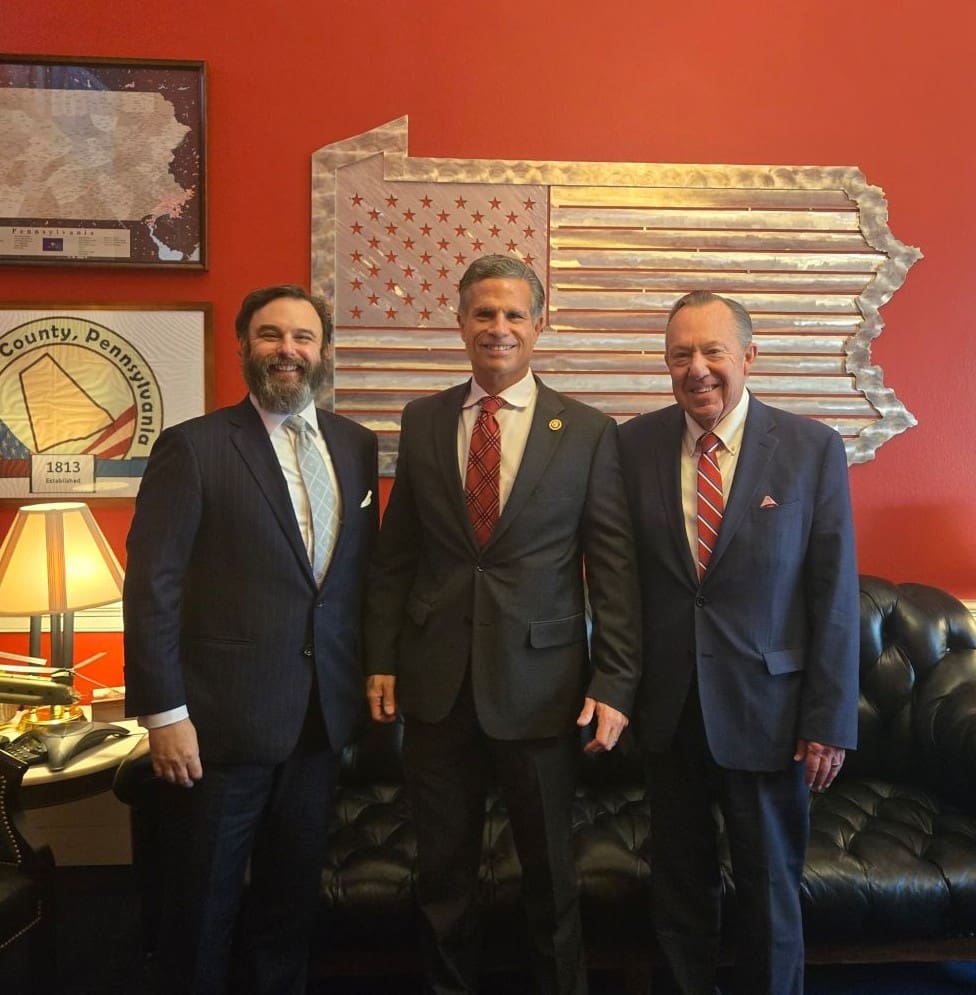
Given the constantly shifting environment, Witter grounds his priorities in real-time needs. He emphasizes that these priorities emerge not from abstract goals but from direct challenges faced by providers, clinicians and state-level partners, including delayed authorizations, reimbursement cuts, inconsistent coverage criteria or regulatory ambiguities affecting access. By translating these experiences into policy recommendations, Witter ensures his work is always tied to practical needs.
That translation involves more than just information. Witter stresses that meaningful progress relies on mutual trust among all parties. “Legislators and agency officials must view AAHomecare and its members as reliable partners — consistently returning to discussions, addressing difficult questions and sharing data and real stories without dramatization,” he said. “With genuine trust in place, conversations progress from identifying barriers to exploring workable solutions.”
Witter’s approach is intentional and steady. He has learned that sincere, authentic engagement fosters stronger allies in Congress. Today, more policymakers than ever understand the importance of home-based care. This progress has come not only through sudden leaps but also through steady education, dialogue and determination, creating true champions for the industry in Washington, D.C. One area where this advocacy is crucial is Medicare Advantage. Enrollment continues to rise, altering the coverage landscape for those who rely on home medical equipment and CRT. Yet the program’s growth has led to irregular rules for authorizations, reimbursements and repair approvals.
AAHomecare is committed to addressing these challenges and bringing about accountability to ensure systems work effectively in practice. Witter and the AAHomecare teamwork with legislators to promote oversight, transparency and clearer standards. These initiatives aim to prevent delays in equipment access, ensuring individuals receive clinically appropriate support without bureaucratic hurdles that compromise health and independence.
Within this context, the CRT sector holds a distinct position. CRT requires individualized evaluation, clinician involvement and specialized configuration. It cannot be treated like standard equipment, as delays in accessing CRT can severely impact mobility and health stability. Witter emphasizes this difference in policy discussions, highlighting the importance of matching individuals to the correct equipment and the critical need for service and repair support. Ensuring lawmakers understand these distinctions has been a long-term priority. Sustained advocacy has built awareness around the clinical nuances of CRT, leading to more informed conversations about appropriate support and reimbursement structures that reflect its specialized nature.
While AAHomecare’s public policy team engages in structured relationship-building and strategic messaging, Witter believes advocacy should not be confined to organizations alone. Personal stories are powerful in shaping how access issues are perceived. When providers convey how reimbursement levels impact their service teams, or when wheelchair users illustrate the consequences of repair delays, these realities resonate more profoundly than mere data.

“The right to share these stories with Congress is foundational,” Witter said. “It is essential for the home medical and CRT communities to voice their experiences. My role is to amplify these voices by helping shape messages, connecting advocates with stakeholders and ensuring their narratives reach decision-makers. While politics may change, our message stays the same.”
Considering the current landscape, Witter is optimistic. “Increasingly, home-based care is recognized as a core component of the health care system, not just a cost,” he said. Policymakers are realizing that supporting access to home medical equipment leads to better outcomes, greater independence and reduced long-term costs for patients and the health care system.
Witter’s work is grounded in the belief that health care policy must reflect the lived experiences of those it affects. “My responsibilities are pretty much 24/7, but I enjoy the work tremendously,” he said. “The needs of individuals relying on home-based equipment are ongoing, and we must be consistent with our communication with policymakers.”
While Witter is deeply committed to his work, he and his wife — also a lobbyist — make time to unwind with friends and, whenever possible, take invigorating rides on their motorcycles.
Personal stories shape the conversations that Witter facilitates daily. He knows that the voice of a wheelchair user discussing a delayed repair or a provider explaining reimbursement strains can clarify issues for policymakers in ways no chart or briefing memo ever could. These stories bring real-life needs into the rooms where decisions are made. And thanks to dedicated leaders like Witter, the industry can be assured that an effective liaison with decision-makers remains firm and resolute.

Jay may be reached at jayw@aahomecare.org.
Jay Witter is senior vice president of public policy for the American Association for Homecare (AAHomecare). He has over 25 years of legislative, political and management experience as a lobbyist, has worked for four members of Congress and previously served on President Obama’s Health Care Policy Committee.